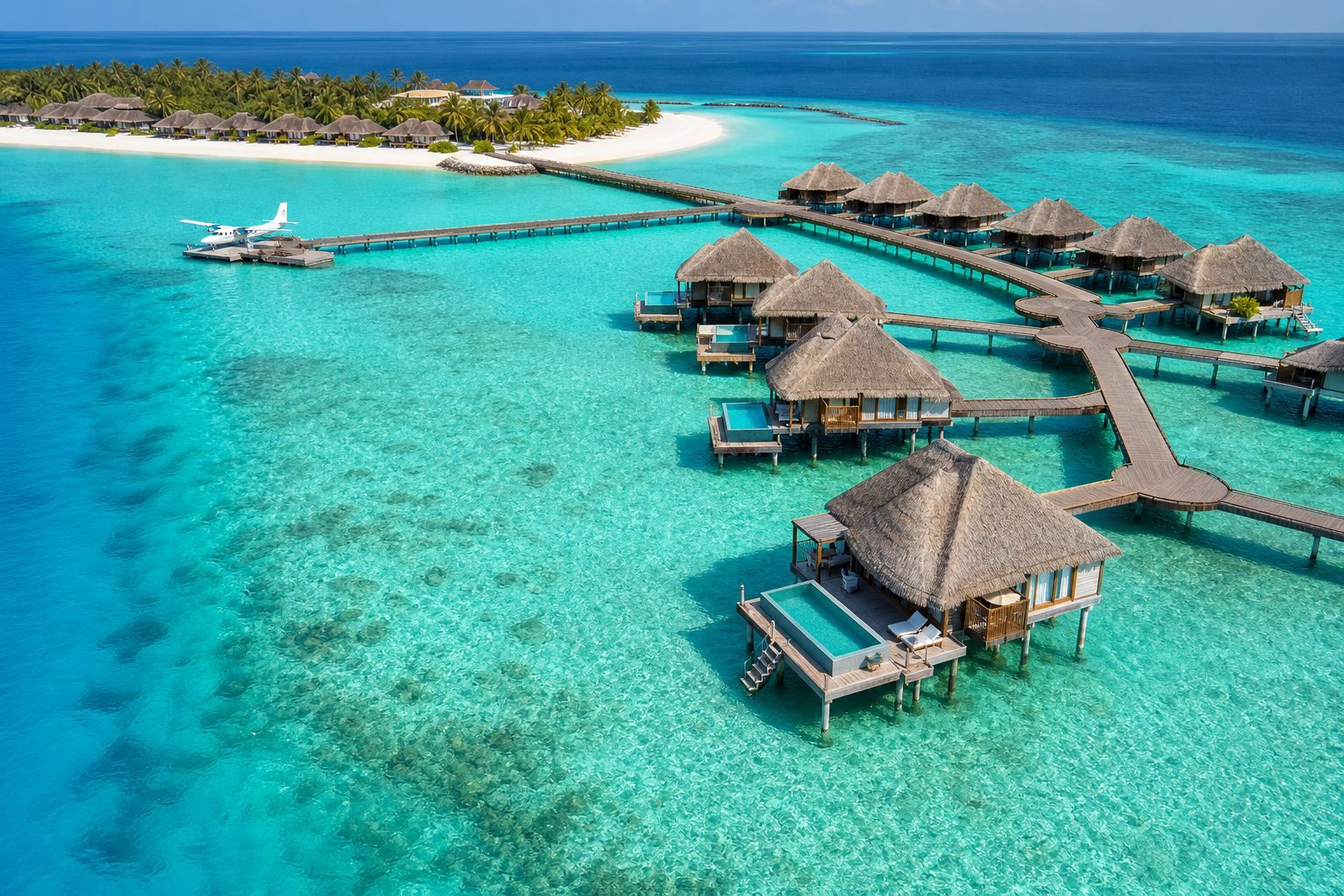
There is a particular silence that falls when the boat or the seaplane that brought you finally pulls away. For a moment you are aware of every sound it leaves behind — the lagoon turning over on the reef, wind in the palms, a tern somewhere overhead — and then of the larger fact beneath them: that there is no road off this place, no lobby crowd, no schedule but the tide. The private island has always traded on that sensation. What has changed, quietly, over the past decade is what the best of them do with it.
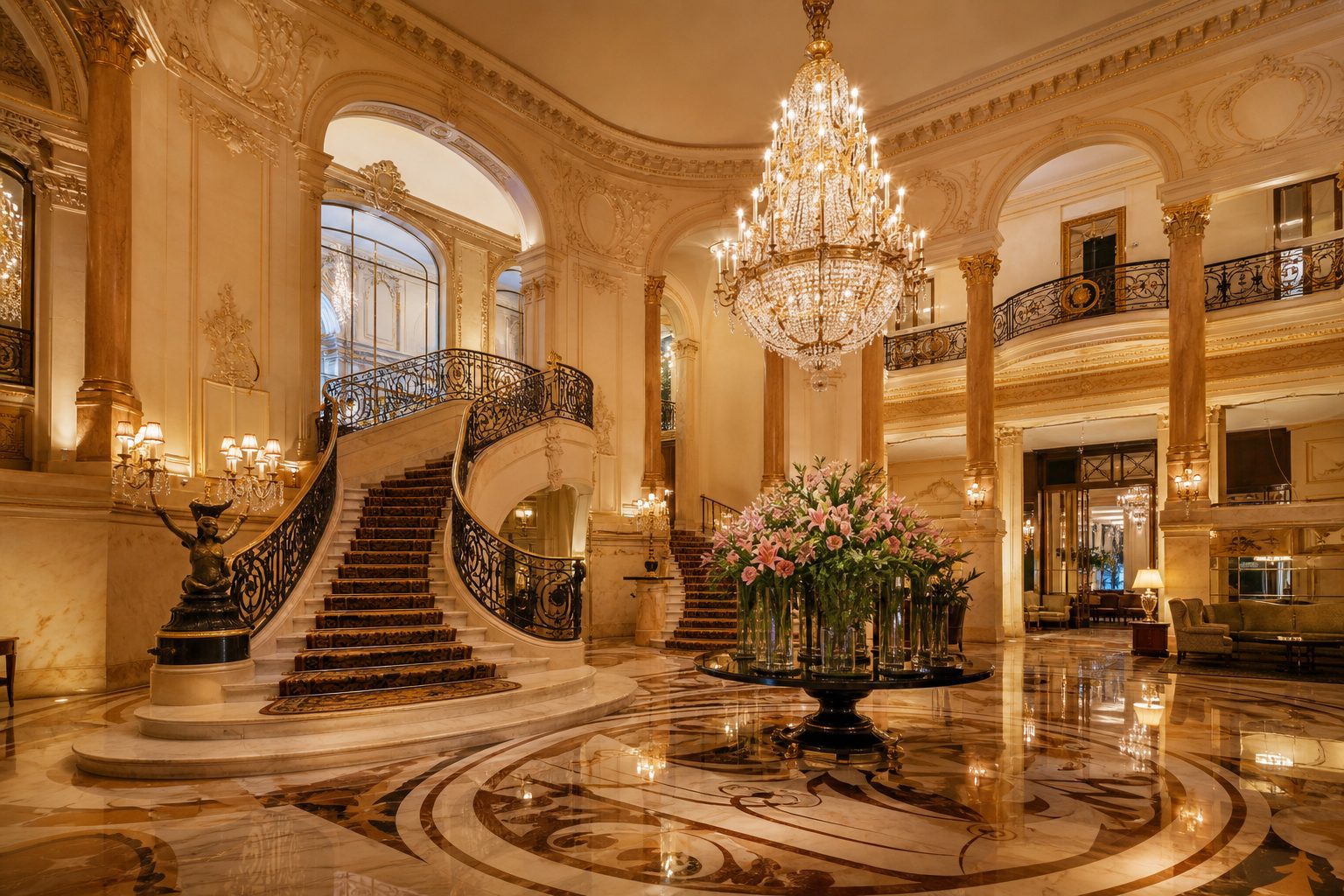
For a long time the private-island resort was synonymous with a certain kind of conspicuous excess: marble where there should have been sand, a wine list longer than the guest list, a butler hovering at the edge of every photograph. It impressed, but it rarely moved anyone. The renaissance now underway is a reaction against all of that. The finest new islands are spare where the old ones were ornate, quiet where they were performative, and built around a single radical idea — that on an island, the ultimate luxury is not more, but less, done immaculately.
The shiftFrom opulence to absence
The clearest way to understand the change is to look at what the new islands take away. Gone, increasingly, is the wall-to-wall marble and the gilt; in its place, lime-washed timber, raw stone, linen, materials that age rather than date. Gone is the relentless programming — the daily activity sheet, the themed buffet nights — replaced by a near-total permission to do nothing at all. Gone, most tellingly, are the keys: where an old-school resort might have packed two hundred rooms onto an island, the new benchmark properties put twenty, or ten, or fewer, and give each one a slice of shoreline the size of an old hotel's entire beach.
This is luxury defined by what surrounds you rather than what is handed to you. Space — genuine, uninterrupted space — has become the rarest commodity in travel, and the private island is its purest expression. You are not paying for the thread count, though the linen will be exquisite. You are paying for the absence of everyone else.
The ultimate luxury on an island is not more, but less — done immaculately.
The stylesThree kinds of island, and who they suit
"Private island" is not one experience but several, and the most common disappointment we hear comes from guests who chose the wrong kind for who they are. Broadly, the genre now divides into three.
The barefoot sanctuary
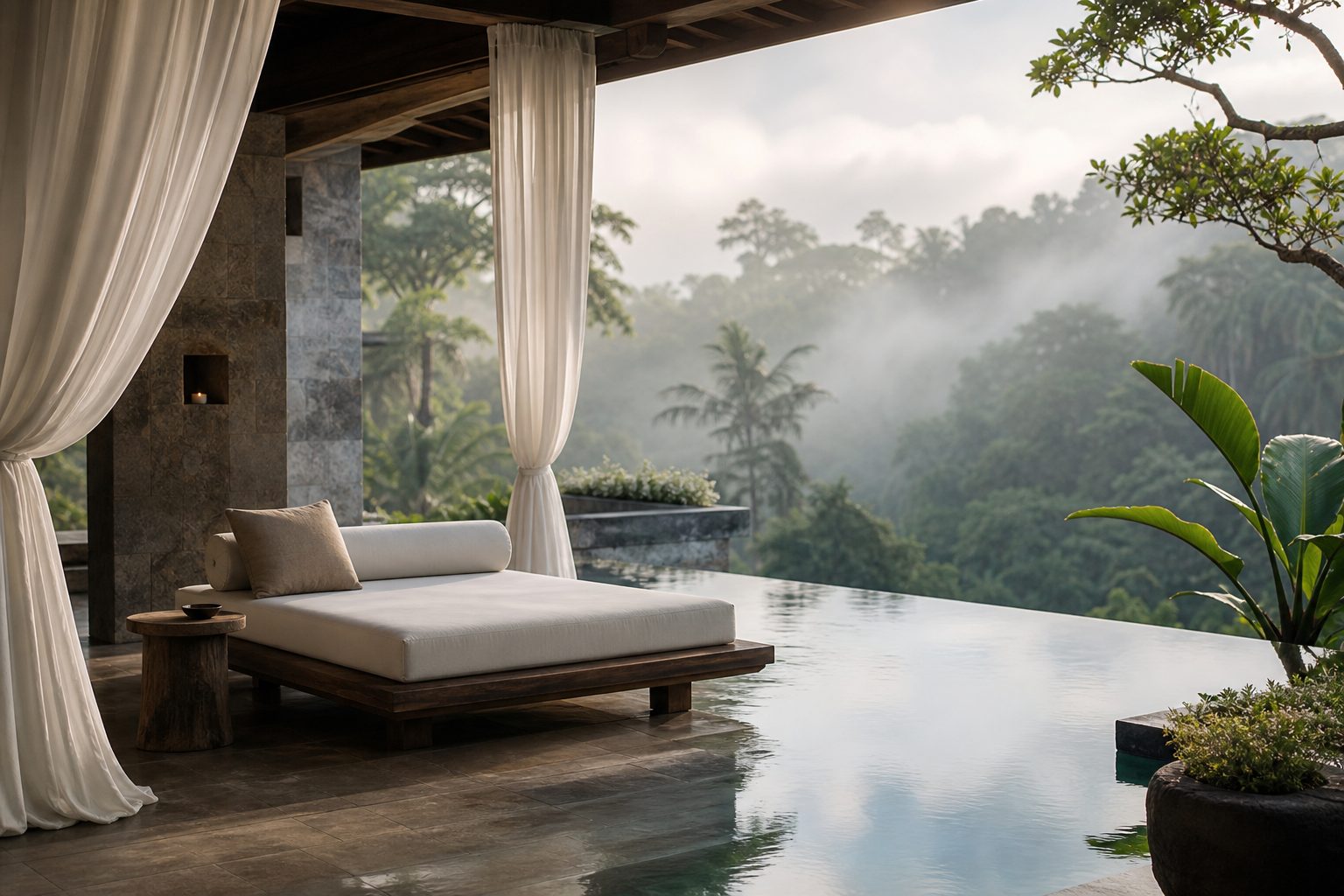
The purest expression of the new philosophy: a handful of villas, no shoes, no clocks, a kitchen that cooks what the boats brought in that morning, and a deliberate scarcity of anything resembling a "facility." These islands are for the traveller who wants to disappear — honeymooners, the genuinely exhausted, anyone for whom the point of the trip is to subtract rather than add. They can feel monastic to the wrong guest; for the right one, they are transformative.
The family compound
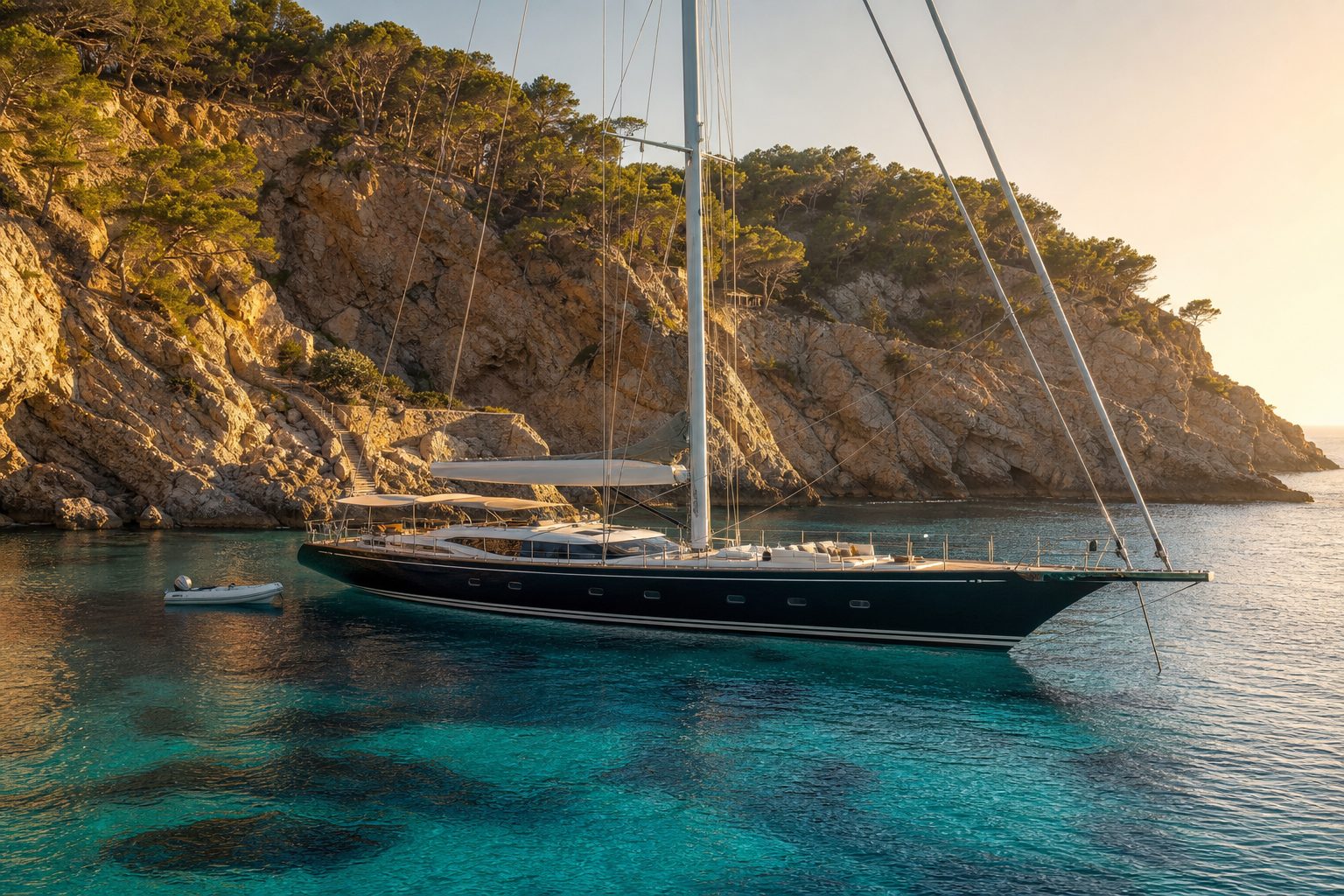
A second category has grown up around multi-generational travel: islands, or whole villas upon them, designed to be taken over entirely, with the staff, the chef and the boats that go with them. Here the luxury is sovereignty — the island, for a week, is effectively yours, and the experience bends entirely around your group rather than a roster of strangers. For families and friends travelling together, nothing else compares; for a couple seeking solitude, it can feel oddly like running a small hotel.
The full-service icon
The third kind keeps the breadth of a great resort — several restaurants, a serious spa, a dive centre, a kids' club — but executes it with a restraint the old icons lacked. These suit travellers who want choice and polish without the marble-and-gilt theatre, and families who need the infrastructure. They are the safest choice, and for many the right one; just don't expect the absolute solitude of the barefoot sanctuary.
How to choose your island
- Count the keys. The single best predictor of the experience. Under ~25 villas means genuine privacy; over ~60 means a resort that happens to be on an island.
- Study how you get there. A short boat ride, a long boat ride, and a seaplane transfer produce completely different trips — and the seaplane, magical as it is, has luggage limits and daylight-only schedules.
- Ask about the house reef. On a snorkelling or diving island, whether you can swim to living coral from your own steps, or must be taken to it, changes everything.
- Match the board to your mood. All-inclusive removes friction but can feel like a cruise; à la carte keeps the romance but demands decisions. Know which you want.
- Read the weather, not the brochure. Every tropical paradise has a season it would rather you didn't see. Find out which months are wet, windy or full of seaweed before you book.
The reckoningParadise, honestly accounted for
It would be a poor kind of travel writing that described all this without naming its costs, and the private island carries real ones. These are among the most resource-intensive hospitality projects on earth: everything — water, power, food, staff, your very self — must be brought across open ocean, and the islands sit on exactly the reefs and shorelines most exposed to a warming, rising sea. The better operators now treat this as the central design problem rather than a marketing afterthought: solar arrays and desalination in place of diesel and shipped-in bottles, working coral-restoration programmes, marine reserves that genuinely exclude fishing, building footprints kept deliberately small.
We have learned to be sceptical of the language of "eco-luxury," which is applied to everything and means almost nothing. The questions worth asking are concrete: Where does the power come from? What happens to the waste? Is the reserve real, with rangers, or a line in a brochure? Who from the surrounding region is employed, and in what roles? The islands that answer these well are not merely less harmful; they are often the most beautiful to stay on, because a healthy reef and a dark, quiet, low-impact island are simply better experiences than their opposites.
Ask not whether an island calls itself sustainable, but where its power comes from and whether its reserve has rangers.
The verdictWhy the island still seduces
For all the analysis, the appeal of the private island remains gloriously simple, and a single evening explains it. The light goes long and gold; the staff, who by now know how you take your drink, melt discreetly away; you walk a beach that belongs, for these few days, only to you and whoever you brought, and the mainland and its noise feel not merely distant but irrelevant. There is no traffic to beat, no table to make, nowhere you are expected to be. The world contracts to the reef and the horizon, and time does the strange, generous thing it only does when nothing is asked of it.
That is what the renaissance has rediscovered: that the island was never really about the marble. It was about the silence after the boat leaves, and the rare permission — for a few unrepeatable days — to want for nothing because you have, deliberately, almost nothing to want. Choose the right island, ask the right questions, and it remains one of the few experiences in travel that genuinely lives up to the photographs.